
 By
By In the heart of San Salvador stands a landmark that tells a story far greater than its walls. The Metropolitan Cathedral of the Holy Savior is one of El Salvador’s most recognizable religious and cultural sites, drawing attention not only for its architecture but also for the remarkable history that surrounds it.
Situated beside the bustling Plaza Gerardo Barrios in the historic center of the capital, the cathedral occupies a place where everyday city life and centuries of national history meet. Visitors can explore the square, observe the movement of locals, and take in the important buildings that surround one of San Salvador’s most significant public spaces.
A Landmark Shaped by History
The cathedral’s story is closely connected to the changing fortunes of San Salvador. An earlier cathedral was established in the 19th century, but a powerful earthquake in 1873 destroyed the building. Reconstruction eventually gave the city a new cathedral, and the structure has continued to evolve through periods of political, social, and cultural change.
That history gives the building a significance that goes beyond its religious purpose. For generations of Salvadorans, the cathedral has been part of important moments in the life of the capital.
The Cathedral and Plaza Gerardo Barrios
The setting is an important part of the experience. Plaza Gerardo Barrios, named after former Salvadoran president and military leader Gerardo Barrios, sits at the center of San Salvador’s historic district.
The plaza is surrounded by major landmarks, including the cathedral and the National Palace. It functions as more than an attractive gathering place—it provides a window into the country’s past while remaining an active part of modern city life.
Walking through the area gives visitors an opportunity to see how San Salvador’s historic architecture exists alongside the energy of a contemporary capital.
A Controversial Chapter in Its Story
The cathedral also became the center of a major cultural debate because of the artwork that once decorated its exterior.
Salvadoran artist Fernando Llort created a colorful ceramic mural for the cathedral, incorporating distinctive imagery associated with his artistic style and Salvadoran identity. In 2012, the mural was removed, and more than 2,700 ceramic pieces were destroyed.
The decision generated considerable discussion in El Salvador about artistic heritage, cultural identity, preservation, and who has the authority to make changes to important national landmarks.
For many people, the episode remains an important part of the cathedral’s modern history.
More Than an Architectural Attraction
Although the cathedral attracts travelers interested in architecture and history, its primary role remains spiritual. It serves as the main church of the Catholic Archdiocese of San Salvador and continues to welcome worshippers.
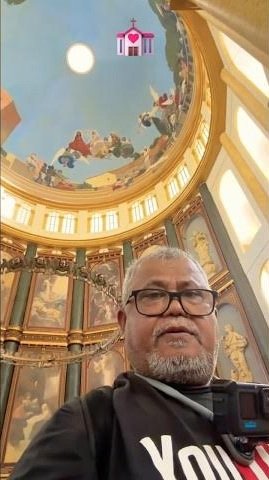
Inside, the atmosphere changes dramatically from the activity outside. The imposing exterior gives way to a quieter environment where visitors can pause, reflect, and appreciate the religious significance of the building.
This combination of faith, architecture, and history is part of what makes the cathedral such a compelling destination.
A Symbol of Resilience
Perhaps the most powerful aspect of the Metropolitan Cathedral is its connection with resilience. The building has survived destruction, reconstruction, controversy, and decades of change.
Its story reflects the wider history of San Salvador itself—a city repeatedly shaped by natural disasters, political events, cultural transformations, and the determination of its people to rebuild.
Today, the cathedral remains an enduring feature of the capital’s historic center. Whether viewed as a place of worship, a cultural landmark, or a piece of Salvadoran history, it offers visitors much more than an impressive photograph.
Standing in Plaza Gerardo Barrios and looking toward the cathedral, it is easy to understand why this place continues to capture the imagination of visitors from around the world.
The Metropolitan Cathedral of the Holy Savior is not simply a building—it is a living chapter of San Salvador’s history.