
 By
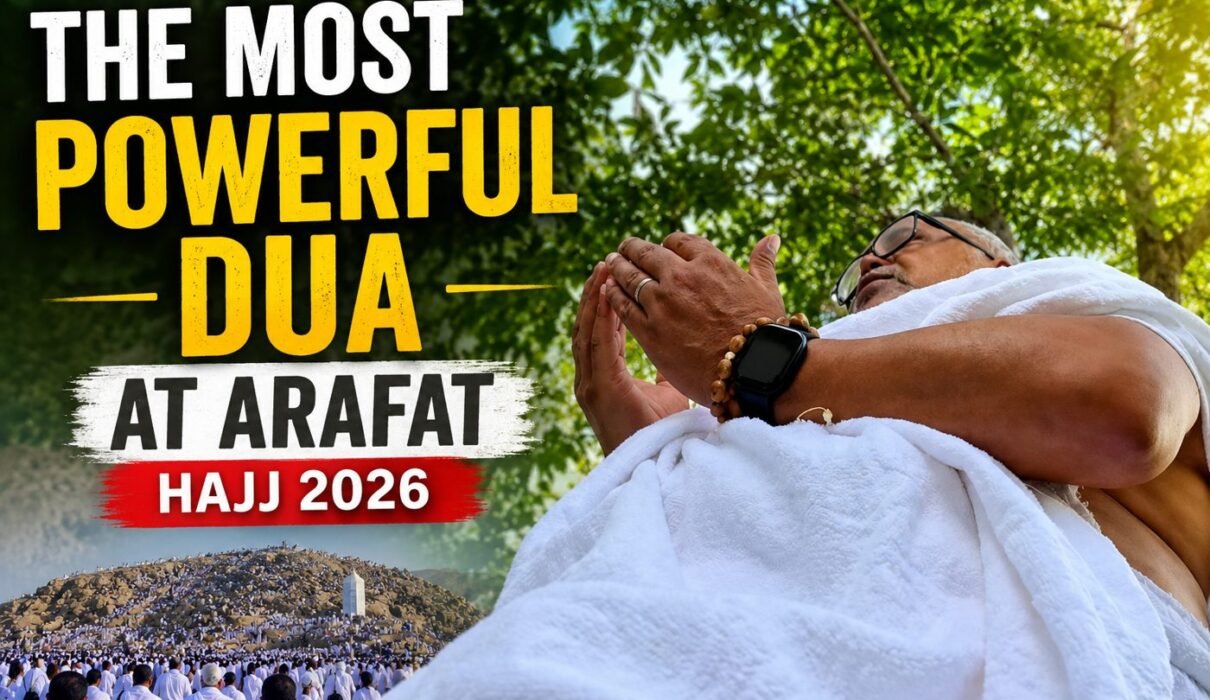
By There are moments in life when words seem too small to describe what the heart feels. For me, standing on the plains of Arafat during Hajj 2026 was one of those moments. Surrounded by countless pilgrims, I felt a deep sense of humility, gratitude, and hope as we all turned toward Allah with our hands raised and our hearts open.
The Day of Arafah is at the heart of the Hajj journey. It is a day of prayer, repentance, reflection, and hope in the mercy of Allah. For pilgrims, it is a precious opportunity to leave behind the distractions of everyday life and focus completely on their relationship with their Creator.
A Day Filled With Dua and Hope
As I stood at Arafat, I was reminded of how dependent we all are upon Allah. People from different countries, cultures, and backgrounds stood together with the same purpose: to seek His mercy and forgiveness.
Around me, pilgrims were making dua, quietly reflecting, crying, and asking Allah for what was in their hearts. The atmosphere was deeply emotional. Every raised hand seemed to carry a story—a personal struggle, a family concern, a forgotten dream, or a hope that only Allah could fulfill.
At that moment, I realized that dua is not simply about asking for what we want. It is also about acknowledging that Allah knows what is best for us.
The Dua I Carried to Arafat
Throughout the journey, I had many prayers in my heart. Some were personal, while others were for the people who had asked me to remember them during Hajj.
I prayed for my parents and family, relatives, friends, loved ones, and everyone who was going through difficulties. I also prayed for those who were unable to be present at Arafat but whose hearts longed to visit the sacred places.
My most heartfelt prayer was simple:
“Ya Allah, forgive us, accept our Hajj and our duas, purify our hearts, protect our families, bless those we love, and guide us to the straight path.”
I asked Allah to forgive our mistakes, ease our worries, strengthen our faith, and help us live lives that are pleasing to Him.
Sometimes the most powerful duas are not complicated. They come directly from the heart.
When the Heart Becomes Emotional
There was something incredibly moving about seeing so many people turn toward Allah at the same time.
Some pilgrims were crying. Others were quietly making dua. Some stood in deep concentration, while others raised their hands for long periods, asking Allah for forgiveness and mercy.
Being part of that gathering made me reflect on my own life. Hajj is not simply a journey from one place to another. It is an opportunity to look inward—to recognize our weaknesses, remember our purpose, seek forgiveness, and make a sincere commitment to become better.
The experience of Arafat reminded me that no matter how many mistakes a person has made, the door of Allah’s mercy should never become a reason for despair.
More Than a Journey to Makkah and Madinah
Hajj is often described as a once-in-a-lifetime pilgrimage, but its meaning goes far beyond travel.
The journey teaches patience when things become difficult. It teaches humility when people from every background stand together. It teaches sacrifice, discipline, gratitude, and complete reliance upon Allah.
From the sacred moments in Makkah to the peaceful atmosphere of Madinah, every part of the journey carries its own reminder.
But Arafat holds a particularly powerful place in the heart of the pilgrim. Standing there encourages a person to pause and think about where they have been, where they are going, and what kind of life they want to live after returning home.
The Hope of Forgiveness
One of the strongest feelings I experienced during Hajj was hope.
Hope that Allah will forgive our shortcomings.
Hope that our duas will be accepted.
Hope that our hearts can change.
Hope that our families will be protected.
And hope that we can return from Hajj as better Muslims than when we arrived.
This is perhaps one of the greatest lessons of the journey: never underestimate the mercy of Allah.
When we sincerely turn toward Him, admit our mistakes, ask for forgiveness, and place our trust in Him, we should never lose hope.
A Dua for Everyone Dreaming of Hajj
Not everyone who dreams of visiting the Kaaba has the opportunity to go immediately. For many Muslims, Hajj is a lifelong dream.
So, while standing at Arafat, I also remembered those who were praying for an invitation from Allah.
May Allah open the doors for everyone who sincerely wishes to perform Hajj. May He make the journey easy for those who are preparing, grant strength to those who are struggling, and bless every pilgrim with an accepted Hajj.
And for those who have already performed Hajj, may Allah allow its lessons to remain alive in their hearts long after they return home.
Returning With a Changed Heart
The real challenge begins after the journey.
Hajj may last for a limited period, but its lessons can remain with us for the rest of our lives. The forgiveness we ask for, the patience we learn, and the closeness to Allah we experience should influence how we live when we return to our everyday routines.
The memories of Arafat can become a reminder whenever life feels difficult: turn back to Allah, make dua, remain patient, and never give up hope.
For me, the most powerful dua of my Hajj was not about asking for worldly success alone. It was about asking Allah to forgive us, guide us, protect the people we love, strengthen our faith, and grant us a life that brings us closer to Him.
May Allah accept every sincere dua made at Arafat.
May He forgive our sins, accept our Hajj and worship, protect our families, bless our loved ones, ease the difficulties of those who are struggling, and guide us all toward the straight path.
And may Allah invite everyone who dreams of standing before His House and experiencing the unforgettable day of Arafat.
Ya Allah, accept our duas, forgive us, have mercy upon us, and grant us Jannah. Ameen.